- Safari Trips
- Kanha Weekend Getaway – Central India Tiger Escape
- Corbett Gateway – Himalayan Foothill Tiger Escape
- Corbett – The Wilderness Experience
- Tiger Safari India
- Kipling’s Wilderness Trail – Central India Tigers
- Bandhavgarh Tiger Wilderness Expedition
- Wildlife with Golden Triangle Tour
- Lions, Leopards and Elephant Safaris
- Tiger Safari and Cultural India
- Himalayan Birding Expeditions
- Tiger and Rhino Tour of India
- Sundarbans Extreme with Royal Bengal Tiger
- Eastern India Big Cat & Rhino Land Safari
- Land of Royals – Eastern India’s Great Wilderness Circuit
- Mount Kanchanjunga Trek
- National Parks
- Bandhavgarh National Park
- Dudhwa National Park
- Gir National Park
- Hemis National Park
- Jim Corbett National Park
- Kanha National Park
- Kaziranga National Park
- Keoladeo National Park
- Nagarhole National Park
- Panna National Park
- Pench National Park
- Ranthambore National Park
- Satpura National Park
- Sunderbans National Park
- Tadoba National Park
- Experiences
- Indian Wildlife
- About us
- Wishlist
SUNDERBANS NATIONAL PARK
About Sunderbans National Park
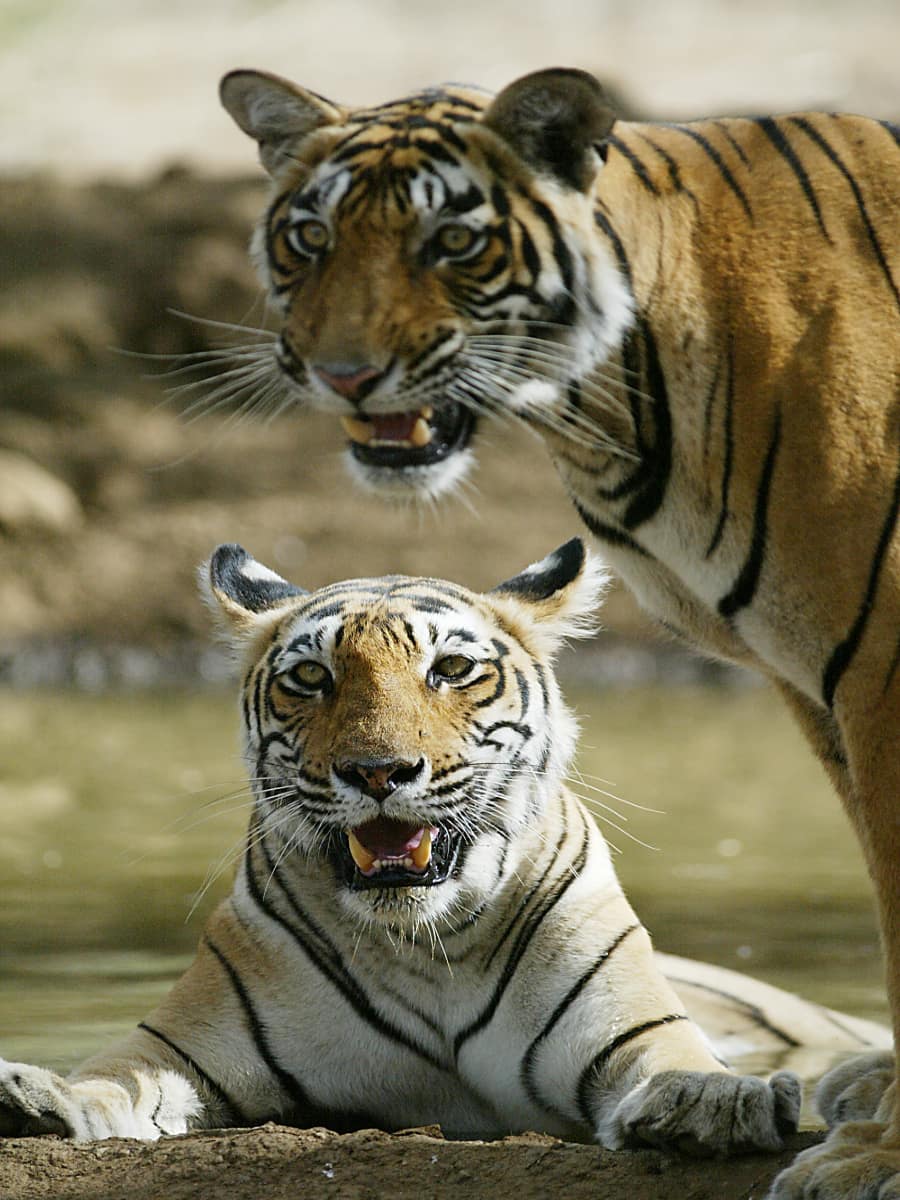
The Sunderbans in West Bengal is the world’s largest mangrove forest, crisscrossed by tidal rivers, creeks, and mudflats. Its tangled mangrove roots provide shelter to a rich diversity of fish, reptiles, and birds. This UNESCO World Heritage Site is most famous as the habitat of the elusive Royal Bengal Tiger, uniquely adapted to swimming across estuarine channels. Estuarine crocodiles, fishing cats, and kingfishers add to its distinct ecosystem, making it one of the most fascinating wildlife landscapes in the world.
The Sunderbans, the world’s largest mangrove forest, is the only place to see the Royal Bengal Tiger adapted to a saline, tidal habitat. Other notable wildlife includes fishing cats, water monitors, estuarine crocodiles, and smooth-coated otters. The park supports a rich variety of birdlife, including mangrove whistlers, herons, egrets, black-capped kingfishers, ospreys, and migratory ducks. Dolphins, including the Irrawaddy dolphin and Ganges river dolphin, are often seen in the waterways. The unique ecosystem makes every wildlife encounter here distinctive.
Safari Timings:
- Boat safaris operate from dawn to dusk (no jeep safaris).
Key Info:
- Open: September to March (peak season).
- UNESCO World Heritage Site.
- Famous for Royal Bengal Tigers, saltwater crocodiles, fishing cats, and estuarine birds.
- Entirely explored by boat.
Sundarbans National Park Fact
- Location of Sundarbans: South 24 Parganas District, West Bengal
- Nearest Access to Sundarbans: Canning (48 km), Kolkata (100 km)
- Coverage Area of Sundarbans: 1,330-sq-kms (core)
- Climate of Sundarbans: Winter: 9°C – 20°C, Summer: 30°C – 40°C
- Major Wildlife Attraction in Sundarbans: Royal Bengal Tiger, Fishing Cat, Estuarine Crocodile, Water Monitor Lizard, Olive Ridley Turtle, Migratory Birds
- Best Time to Visit Sundarbans: December to February
Explore our thoughtfully crafted itineraries.
Sundarbans Extreme with Royal Bengal Tiger
4 Days Trip
Eastern India Big Cat & Rhino Land Safari
8 Days Trip