- Safari Trips
- Kanha Weekend Getaway – Central India Tiger Escape
- Corbett Gateway – Himalayan Foothill Tiger Escape
- Corbett – The Wilderness Experience
- Tiger Safari India
- Kipling’s Wilderness Trail – Central India Tigers
- Bandhavgarh Tiger Wilderness Expedition
- Wildlife with Golden Triangle Tour
- Lions, Leopards and Elephant Safaris
- Tiger Safari and Cultural India
- Himalayan Birding Expeditions
- Tiger and Rhino Tour of India
- Sundarbans Extreme with Royal Bengal Tiger
- Eastern India Big Cat & Rhino Land Safari
- Land of Royals – Eastern India’s Great Wilderness Circuit
- Mount Kanchanjunga Trek
- National Parks
- Bandhavgarh National Park
- Dudhwa National Park
- Gir National Park
- Hemis National Park
- Jim Corbett National Park
- Kanha National Park
- Kaziranga National Park
- Keoladeo National Park
- Nagarhole National Park
- Panna National Park
- Pench National Park
- Ranthambore National Park
- Satpura National Park
- Sunderbans National Park
- Tadoba National Park
- Experiences
- Indian Wildlife
- About us
- Wishlist
KAZIRANGA NATIONAL PARK
About Kaziranga National Park
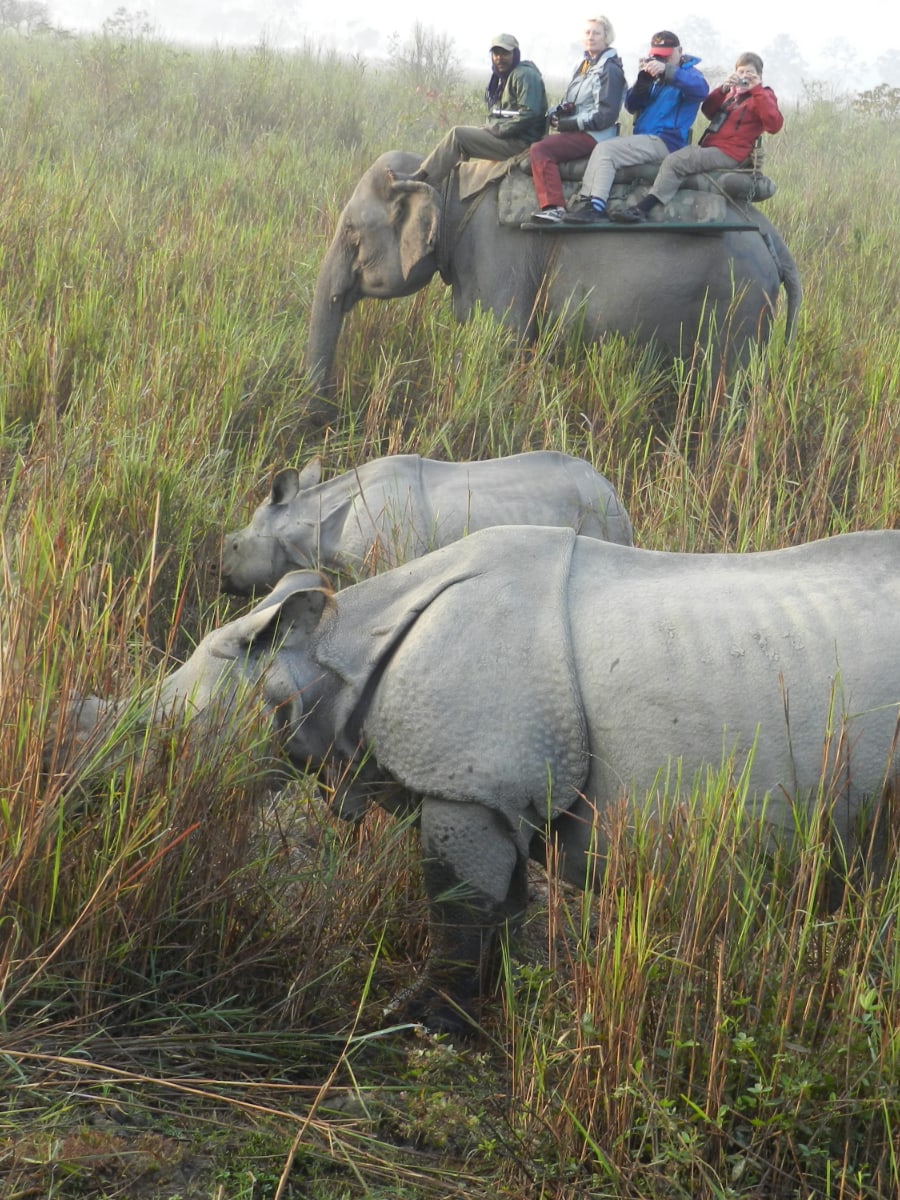
Kaziranga in Assam is a UNESCO World Heritage Site where vast stretches of tall elephant grass, marshes, and swampy lagoons meet dense tropical forests. The mighty Brahmaputra River floods the park annually, replenishing its fertile alluvial plains. It is best known as the stronghold of the Indian One-horned Rhinoceros, though elephants, swamp deer, and wild water buffalo are equally prominent. The wetlands and grasslands attract migratory waterfowl, making Kaziranga a paradise for bird enthusiasts.
Kaziranga National Park is world-famous for its Great Indian One-Horned Rhinoceros, which occurs here in the largest numbers globally. Tigers, elephants, swamp deer, and wild water buffalo form the park’s "Big Five". Other mammals include leopards, sloth bears, capped langurs, hoolock gibbons, and smooth-coated otters. With more than 450 bird species, Kaziranga is a recognized Important Bird Area (IBA). Notable birds include greater adjutant storks, pelicans, bar-headed geese, Pallas’s fish eagle, swamp francolin, and hornbills. Reptiles such as pythons and king cobras thrive in its floodplain habitat
Safari Timings:
- Morning: 7:30 AM – 10:00 AM
- Evening: 2:00 PM – 4:00 PM
Key Info:
- Open: November to April (closed May–October due to floods).
- Best Time: February–April.
- UNESCO World Heritage Site, home to Greater One-Horned Rhinoceros, wild buffalo, swamp deer.
- Jeep safaris and elephant safaris available.
Kaziranga National Park Fact
- Location of Kaziranga: Golaghat & Nagaon Districts, Assam
- Nearest Access to Kaziranga: Jorhat Airport (97 km), Guwahati (217 km)
- Coverage Area of Kaziranga: 430-sq-kms (core), UNESCO World Heritage Site
- Climate of Kaziranga: Winter: 8°C – 20°C, Summer: 25°C – 37°C
- Major Wildlife Attraction in Kaziranga: One-Horned Rhinoceros, Tiger, Wild Water Buffalo, Elephant, Swamp Deer, Hoolock Gibbon, Pelicans, Storks
- Best Time to Visit Kaziranga: November to April
Explore our thoughtfully crafted itineraries.
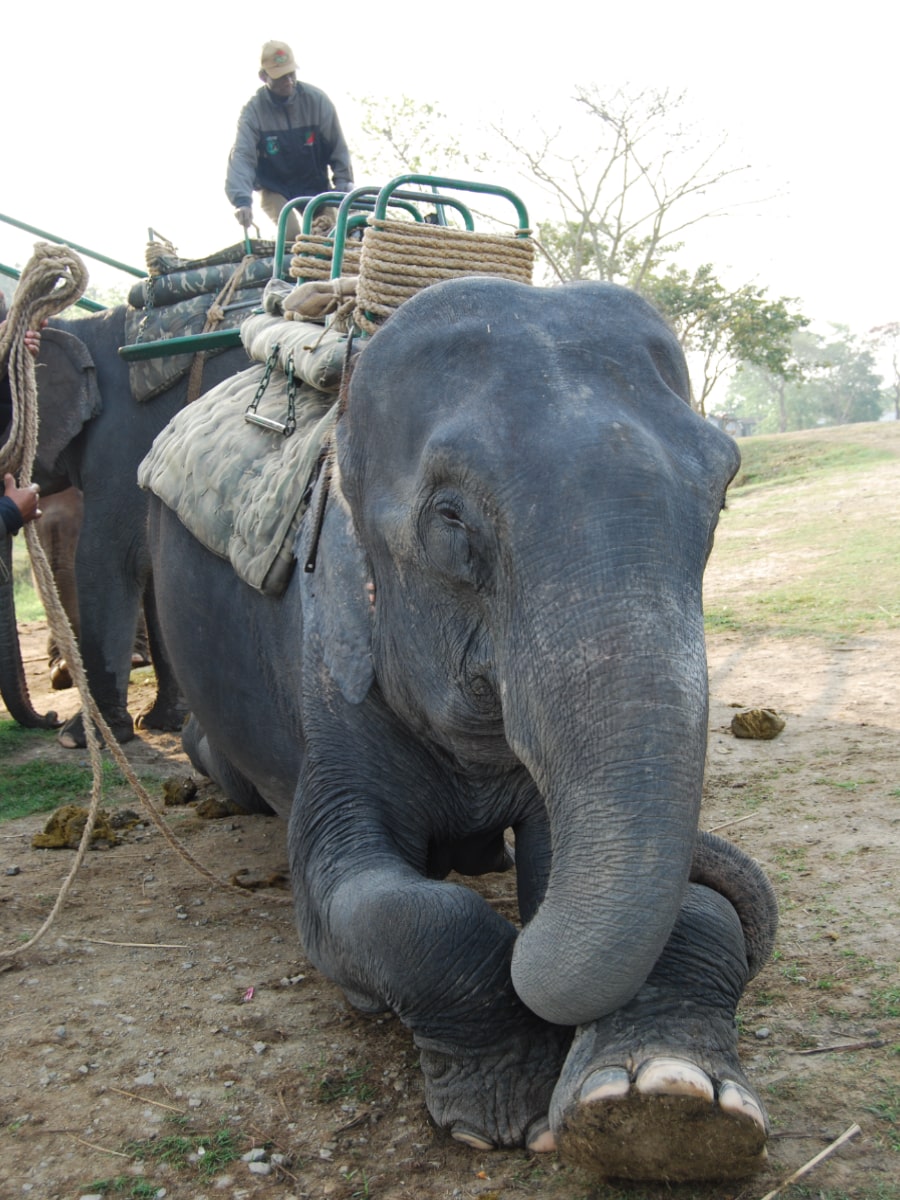
Eastern India Big Cat & Rhino Land Safari
8 Days Trip
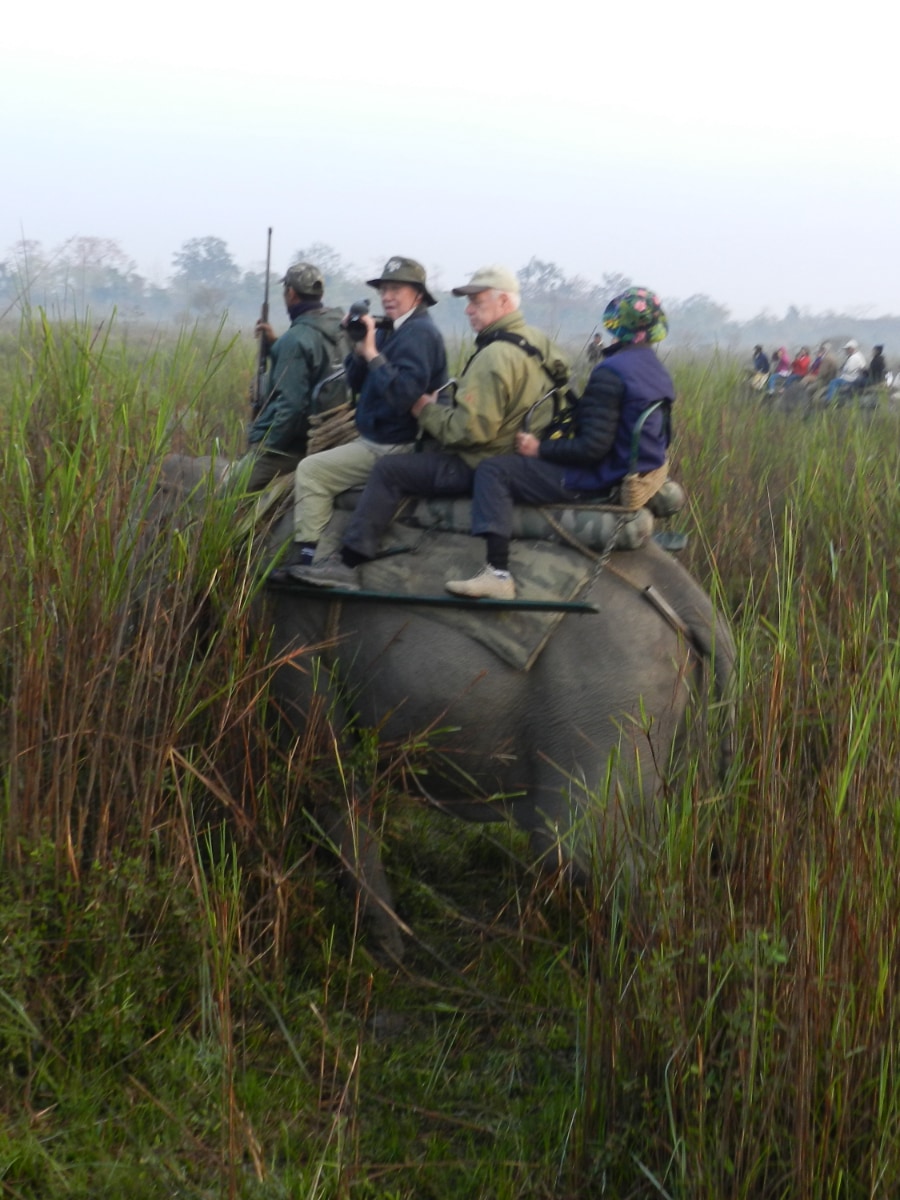
Tiger and Rhino Tour of India
19 Days Trip
