- Safari Trips
- Kanha Weekend Getaway – Central India Tiger Escape
- Corbett Gateway – Himalayan Foothill Tiger Escape
- Corbett – The Wilderness Experience
- Tiger Safari India
- Kipling’s Wilderness Trail – Central India Tigers
- Bandhavgarh Tiger Wilderness Expedition
- Wildlife with Golden Triangle Tour
- Lions, Leopards and Elephant Safaris
- Tiger Safari and Cultural India
- Himalayan Birding Expeditions
- Tiger and Rhino Tour of India
- Sundarbans Extreme with Royal Bengal Tiger
- Eastern India Big Cat & Rhino Land Safari
- Land of Royals – Eastern India’s Great Wilderness Circuit
- Mount Kanchanjunga Trek
- National Parks
- Bandhavgarh National Park
- Dudhwa National Park
- Gir National Park
- Hemis National Park
- Jim Corbett National Park
- Kanha National Park
- Kaziranga National Park
- Keoladeo National Park
- Nagarhole National Park
- Panna National Park
- Pench National Park
- Ranthambore National Park
- Satpura National Park
- Sunderbans National Park
- Tadoba National Park
- Experiences
- Indian Wildlife
- About us
- Wishlist
GIR
About Gir National Park
The rugged and undulating terrain of Gir in Gujarat is cloaked in dry deciduous forest, thorn scrub, and grasslands interspersed with rocky hills and seasonal rivers. Acacia, teak, and flame-of-the-forest trees dominate the landscape, offering a striking backdrop for its most famous resident—the Asiatic Lion, the only place in the world where it still survives. The park’s rivers and water bodies attract marsh crocodiles and a variety of birds, while leopards, striped hyenas, and jackals roam its rugged outcrops, making Gir a unique ecosystem.
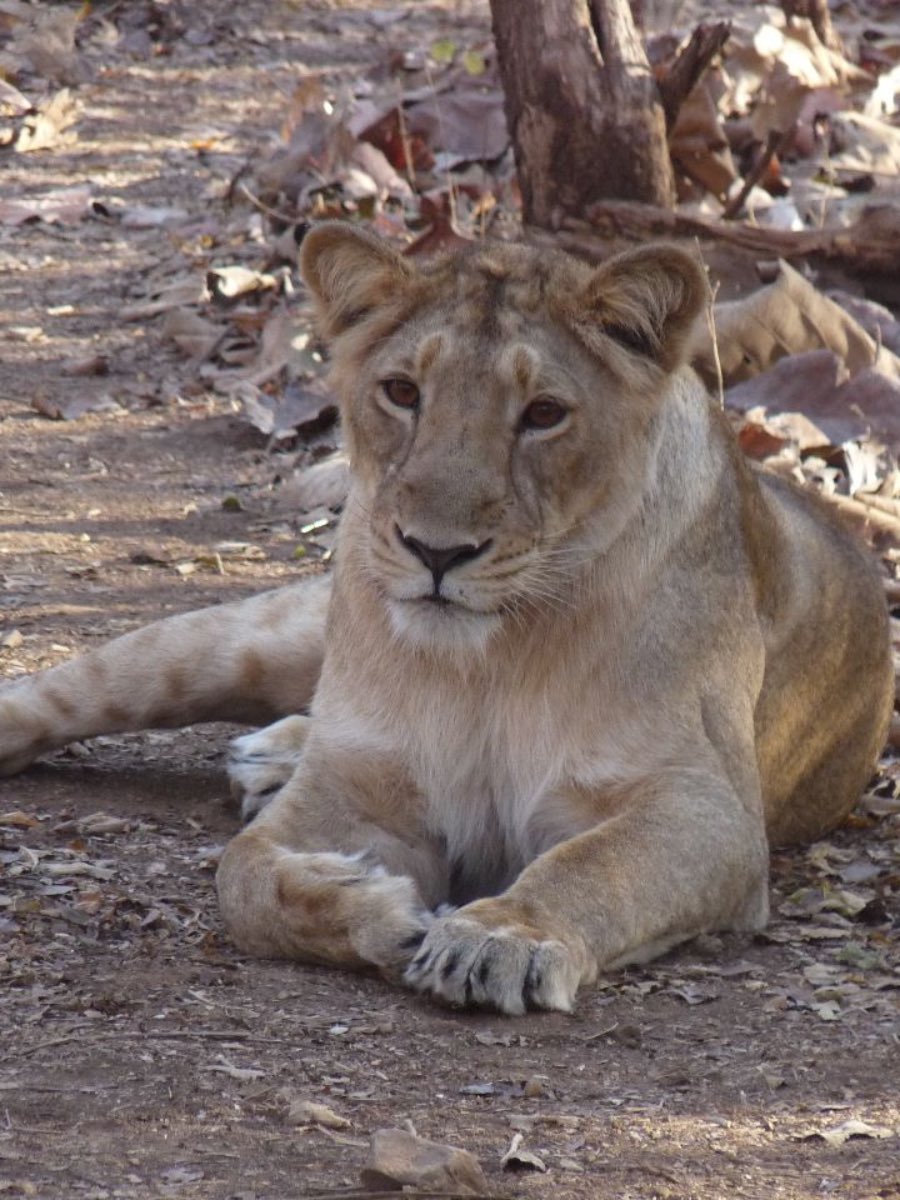
Gir National Park is the only place in the world where you can see the Asiatic Lion in the wild, making it one of India’s most iconic destinations. Apart from lions, the park supports a good population of leopards, striped hyenas, jungle cats, rusty-spotted cats, golden jackals, and Indian foxes. Ungulates include nilgai, chinkara, chausingha, sambar, spotted deer, and wild boar. Reptiles like the mugger crocodile and monitor lizard are commonly seen in lakes and rivers. Gir also shelters over 300 bird species, with specialties like the painted sandgrouse, paradise flycatcher, pygmy woodpecker, crested serpent eagle, and various species of owls and vultures.
Safari Timings:
- Morning: 6:00 AM – 9:00 AM
- Mid-Morning: 9:00 AM – 12:00 PM
- Evening: 3:00 PM – 6:00 PM
Key Info:
- Open: October 16 to June 15 (closed during monsoon).
- Best Time: December to March.
- Only place in the world to see Asiatic Lions in the wild.
- Online permits required in advance.
Gir National Park Fact
- Location of Gir: Junagadh & Amreli Districts, Gujarat
- Nearest Access to Gir: Junagadh (60 km), Rajkot Airport (160 km)
- Coverage Area of Gir: 1,412-sq-kms
- Climate of Gir: Winter: 10°C – 22°C, Summer: 28°C – 43°C
- Major Wildlife Attraction in Gir: Asiatic Lion, Leopard, Striped Hyena, Jackal, Nilgai, Chinkara, Sambar, Marsh Crocodile
- Best Time to Visit Gir: December to March
Explore our thoughtfully crafted itineraries.
Lions, Leopards and Elephant Safaris
19 Days Trip
